


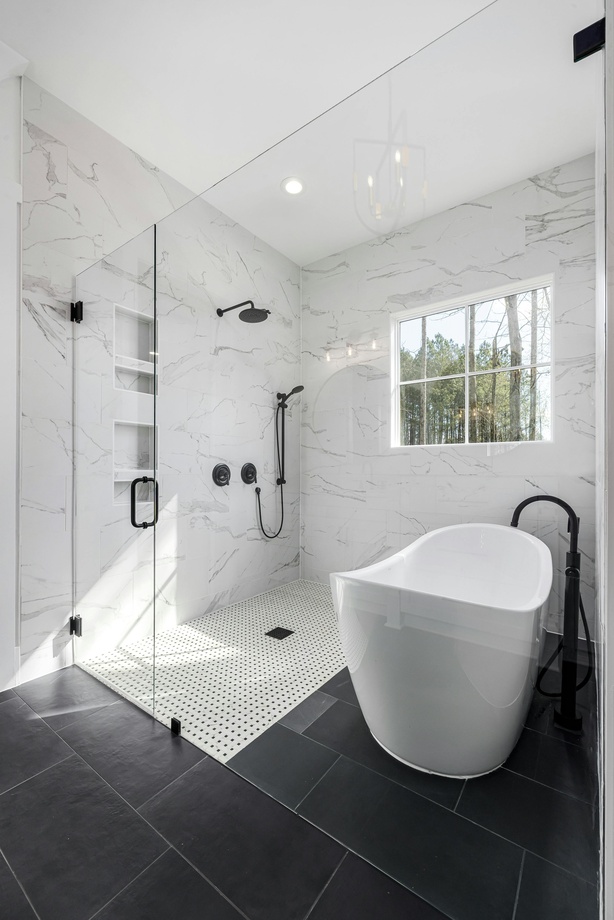
Tile flooring is a favorite in West Texas homes for good reason. It is durable, stylish, easy to clean, and ideal for rooms where spills and moisture are common. But is tile flooring waterproof? The short answer is that ceramic and porcelain tiles are highly water-resistant, and some porcelain tiles are considered impervious, but a complete tile floor is not automatically waterproof. Grout, the subfloor, and installation methods also matter. At Anderson Tile Sales, we have spent more than 50 years helping people choose tile that fits their homes, lifestyles, and performance needs. Here is what you should know about tile and water.
Is tile flooring waterproof or water-resistant?
Waterproof and water-resistant may sound similar, but there is a difference.
Most ceramic and porcelain tile will not be damaged by everyday spills or routine moisture.
Porcelain is especially dense and absorbs very little water, making tile a smart choice for bathrooms, kitchens, laundry rooms, entryways, and other moisture-prone spaces.
Still, the tile itself is only part of the installation. Water can potentially penetrate grout lines or gaps and reach the materials below. Proper tile installation and waterproofing are especially important in areas exposed to frequent or standing water.
Porcelain tile offers excellent moisture resistance
If moisture resistance is a priority, porcelain tile is an excellent option. Porcelain is made from dense clay and fired at high temperatures, creating a hard surface with a very low water absorption rate.
That density makes porcelain well-suited for bathrooms, kitchens, showers, mudrooms, laundry rooms, and other areas exposed to moisture. Many porcelain products can even be used outdoors when specifically rated for exterior applications.
Porcelain tile also offers impressive design versatility. Today's products can recreate the appearance of natural stone, hardwood, concrete, and other materials while delivering the practical benefits of tile.
Ceramic tile handles everyday moisture
Ceramic tile is another practical choice for many areas of the home. Glazed ceramic has a protective surface that helps prevent moisture from penetrating the tile. Spills can typically be wiped away without damaging the surface.
Ceramic tile works well in kitchens, bathrooms, living spaces, and other interior areas. However, products vary in water absorption and intended use. Some ceramic tiles are made for walls rather than floors, while others may not be suitable for showers or spaces exposed to constant moisture.
Selecting a tile designed for your specific application is important. Our team can help you compare your options.
Grout and waterproofing are essential
Even highly water-resistant tile does not make an entire installation waterproof. Grout and the materials underneath the tile matter, too.
Traditional cement-based grout can absorb moisture unless properly sealed. Cracked or damaged grout may also allow water to reach the layers below. Depending on the application, installers may use waterproof membranes, backer materials, sealants, and other systems to protect the underlying structure.
This becomes especially important in showers and other wet areas. A quality installation does not focus only on the tile you can see. It also considers how the entire system manages moisture.
Best rooms for water-resistant tile flooring
Tile's ability to handle moisture makes it a versatile choice throughout the home. Its hard, easy-to-clean surface works particularly well in busy areas.
Popular places to install tile include:
Bathrooms: Tile stands up well to splashes, humidity, and frequent cleaning.
Kitchens: Spills and cooking messes are easy to wipe from the surface.
Laundry rooms: Tile works well around washers, utility sinks, and damp clothing.
Entryways: Mud, dirt, and rainwater are easier to manage on tile flooring.
Living areas: Tile flooring provides a durable, easy-care surface for West Texas homes.
Showers: Properly selected tile combined with a waterproofing system creates a durable shower surface.
Tile can also continue between rooms, creating a cohesive look throughout open floor plans.
How to protect tile flooring from moisture
Tile is relatively easy to maintain, but caring for the entire installation helps keep moisture from becoming a problem. Wipe up spills promptly and periodically inspect grout for cracks, gaps, or deterioration. Always use cleaning products recommended for your particular tile and grout.
If your grout requires sealing, follow the recommended sealing schedule. Bathrooms, showers, and other wet areas may require closer attention because they experience more frequent moisture.
Most importantly, choose a tile designed for the intended space. Not every tile offers the same water absorption rate, durability, or performance.
Visit us for top-quality tile flooring in Midland, TX, and Odessa, TX
So, is tile flooring waterproof? Tile offers excellent resistance to everyday moisture, but a waterproof installation depends on the tile, grout, waterproofing system, and installation. Porcelain tile provides particularly low water absorption, while glazed ceramic tile is a practical choice for many interior spaces.
At our tile shop in Midland, TX, and Odessa, TX, tile is our business, not a sideline. For more than 50 years, customers throughout Odessa, TX, Midland, TX, Andrews, TX, Kermit, TX, and Fort Stockton, TX have relied on us for durable, attractive tile and knowledgeable service. We offer an extensive selection, and if you do not find what you need in stock, we can order it for you. Get in touch with us today!


